Gyeongju Historic Areas Word Search
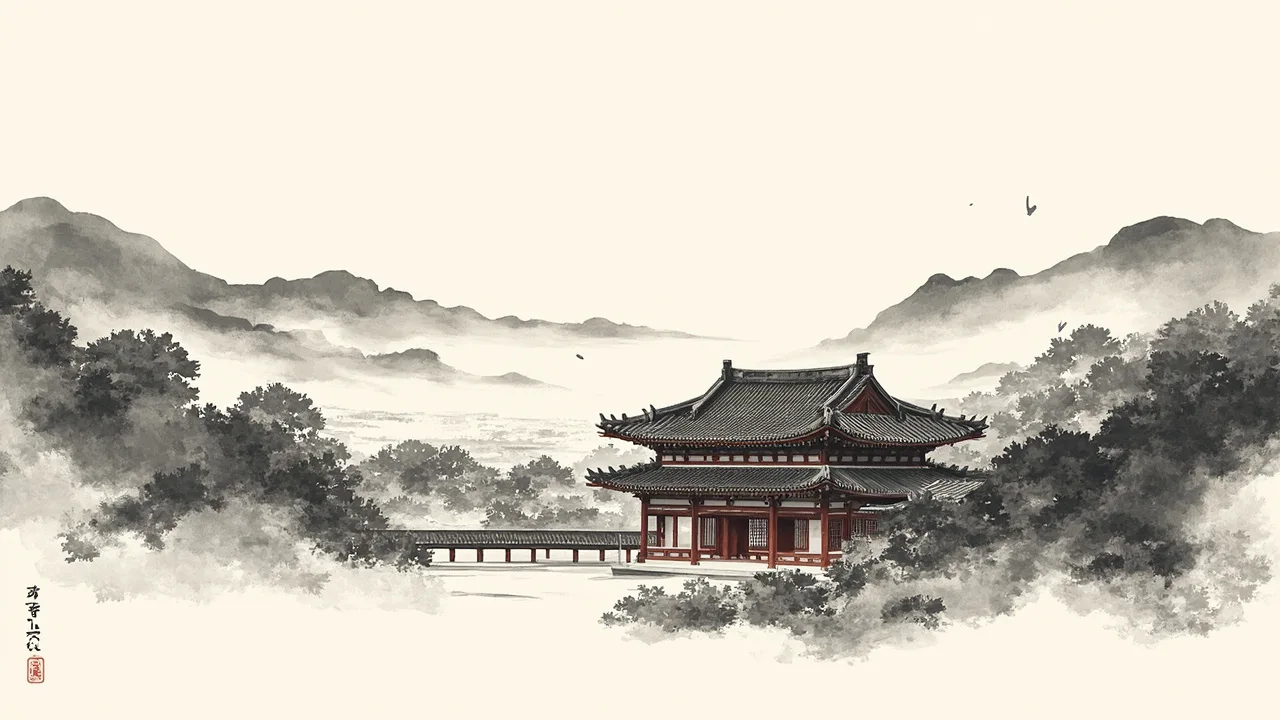
Gyeongju Historic Areas, as a word search. 12 words drawn from its architecture, its landscape, and the people who built it sit hidden in a 15×15 letter grid, running in every direction. Drag across a word to claim it, and clear the board to finish.
Words to find: BULGUKSA, CHEOMSEONGDAE, SEOKGURAM, DAEUNGJEON, SILLA, NODONG, WOLSEONG, NAKDONG, NAMSAN, TUMULI, DOLMEN, PAGODA.
Diagonals are where most players stall. Once you are down to the last word or two, sweep the diagonals deliberately.
Gyeongju Historic Areas word list, defined
General dictionary meanings, not specific to this puzzle's theme.
- TUMULI /ˈtjuːməlaɪ/ · noun (plural)
- Tumuli are raised mounds of earth or stone built over a burial or group of burials, especially those associated with prehistoric Europe. The singular form is “tumulus.” Related: barrows, burial mounds, cairns.
- DOLMEN /ˈdɒlmən/ (UK), /ˈdoʊlmən/ (US) · noun
- A megalithic tomb structure of the Neolithic period, consisting of two or more upright stones supporting a large flat capstone. Dolmens are found across Western Europe and other parts of the world, typically serving as burial chambers. Related: cromlech, megalith, portal tomb.
- PAGODA /pəˈɡoʊdə/ · noun
- A tower-like building, usually associated with Buddhist or Hindu religious architecture, with several diminishing stories or tiers, each often capped by a projecting roof. The word can also refer to the pagoda tree, a species of fig tree associated with sacred sites. Related: tower, stupa, chedi, shrine.
Play the Gyeongju Historic Areas word search · Browse every world heritage site · Today's daily challenge