Wildebeest Word Search
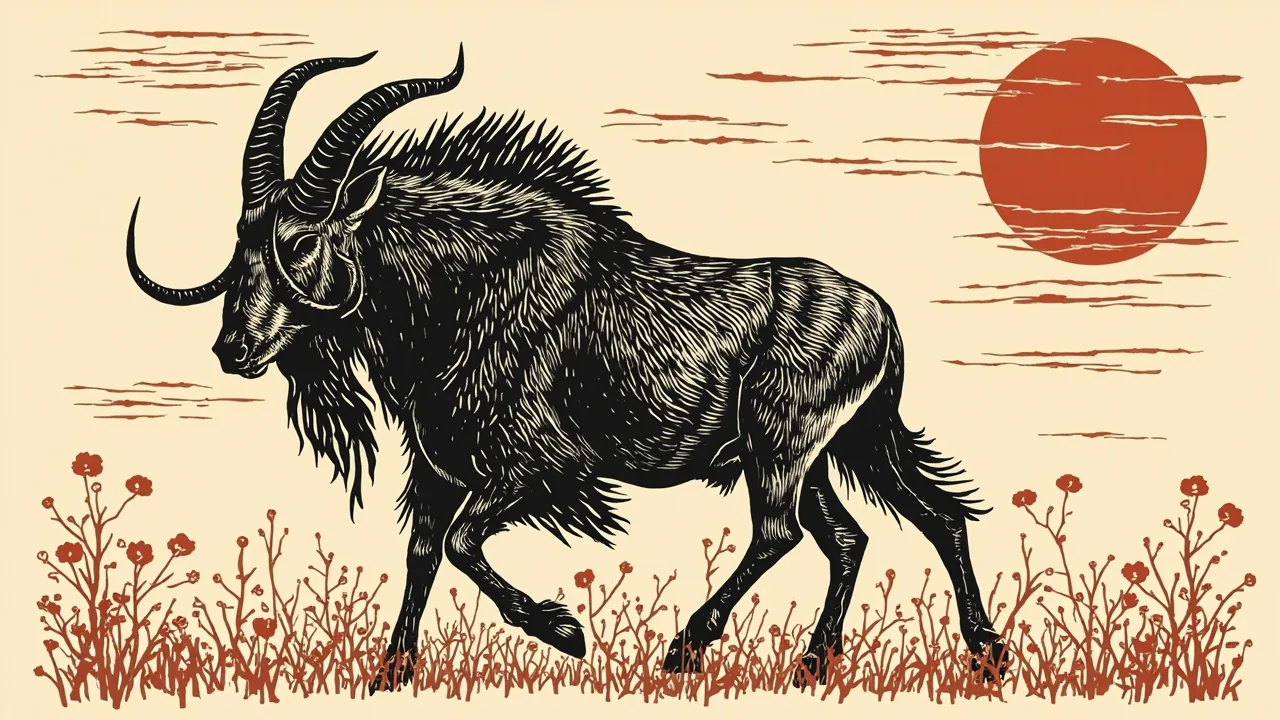
This Wildebeest word search hides 12 words on a 15×15 grid — the habitats, species, and behaviors of an animal group. Trace each one with a finger or mouse and it locks in as soon as the whole word is covered. No signup, no download.
Words to find: WILDEBEEST, HORN, HOOF, MANE, TAIL, SNOUT, MUZZLE, HUMP, SHOULDER, SAVANNA, GRASSLAND, PLAINS.
Words run in any of eight directions, backwards included — if one refuses to turn up, try reading the grid right to left.
Wildebeest word list, defined
General dictionary meanings, not specific to this puzzle's theme.
- WILDEBEEST /ˈwɪldbiːst/ · noun
- A large African antelope of the genus Connochaetes, characterized by a sloping back, large head, and beard. The blue and black wildebeest are the two commonly recognized species. Related: gnu, wildebeeste.
- HORN /hɔːrn/ (US); /hɔːn/ (UK) · noun
- A hard, usually curved projection on the head of certain animals, especially cattle, sheep, goats, and antelope. By extension, the word can refer to a musical instrument, a warning or signaling device, a pointed projection, or the pointed part of an animal’s anatomy. Related: antler, tusk, call, trumpet.
- HOOF /huːf/ · noun
- The hard, usually keratinous part of the foot of a horse or other hoofed mammal, ending in a claw or divided into toes. By extension, it can mean the whole foot of such an animal. Related: horse's hoof, animal foot, cloven hoof, hoofprint.
- MANE /meɪn/ · noun
- The long hair growing on the back of a horse's neck or the neck of certain animals, especially lions and tigers. Figuratively, it can refer to a person's thick or flowing hair. Related: locks, tresses, hair.
- TAIL /teɪl/ · noun and verb
- A tail is the projecting appendage at the rear of many animals. By extension, it means the final part of something, such as a queue, process, or piece of text; as a verb, it means to follow someone closely. Related: rear, rump, posterior, back end.
- SNOUT /snaʊt/ · noun
- The forward-projecting muzzle of an animal, especially one with a prominent nose, such as a pig or dog. By extension, the word can refer disparagingly to a person's nose or face and, in British informal use, to a police informer. Related: muzzle, nose, proboscis, nostrils.
- MUZZLE /ˈmʌzəl/ · noun and verb
- A muzzle is a covering or restraint fitted over an animal's mouth and sometimes its nose to prevent biting; it can also mean the front opening of a gun barrel. As a verb, to muzzle an animal is to fit it with such a restraint, while to muzzle speech, criticism, or ambition is to suppress or restrict it. Related: snout, nose, beak, gag.
- HUMP /hʌmp/ · noun; verb
- A hump is a rounded projection on the back of an animal or person, especially one formed by the spine. As a verb, hump means to arch the shoulders and upper back, or to move with the back raised in a hunched posture. Related: bump, protuberance, projection, arch.
- SHOULDER /ˈʃəʊldər/ (British); /ˈʃoʊldər/ (American) · noun
- The shoulder is the joint and surrounding structure connecting the upper arm to the torso. By extension, it refers to responsibility or to an opportunity to act, as in “a chance to shoulder the responsibility.” Related: responsibility, duty, opportunity, opening.
- SAVANNA /səˈvænə/ · noun
- A wide, generally treeless grassland, especially one occurring in tropical or subtropical regions. The term may also denote the biome more broadly, including its grasses, scattered trees, and associated wildlife. Related: grassland, plain, prairie, steppe.
- GRASSLAND /ˈɡrɑːsˌlænd/ (British); /ˈɡræsˌlænd/ (US) · noun
- Land covered chiefly by grasses and other low-growing vegetation. The term may denote a particular tract of grassy country or a grassland biome, such as a prairie or savanna. Related: prairie, meadow, pasture, steppe.
- PLAINS /pleɪnz/ · noun
- Extensive, level or nearly level open land, especially grassland. “Plains” is also the regular plural of “plain.” Related: prairies, grasslands, steppes, lowlands.
Play the Wildebeest word search · Browse every animal group · Today's daily challenge