Triceratops Word Search
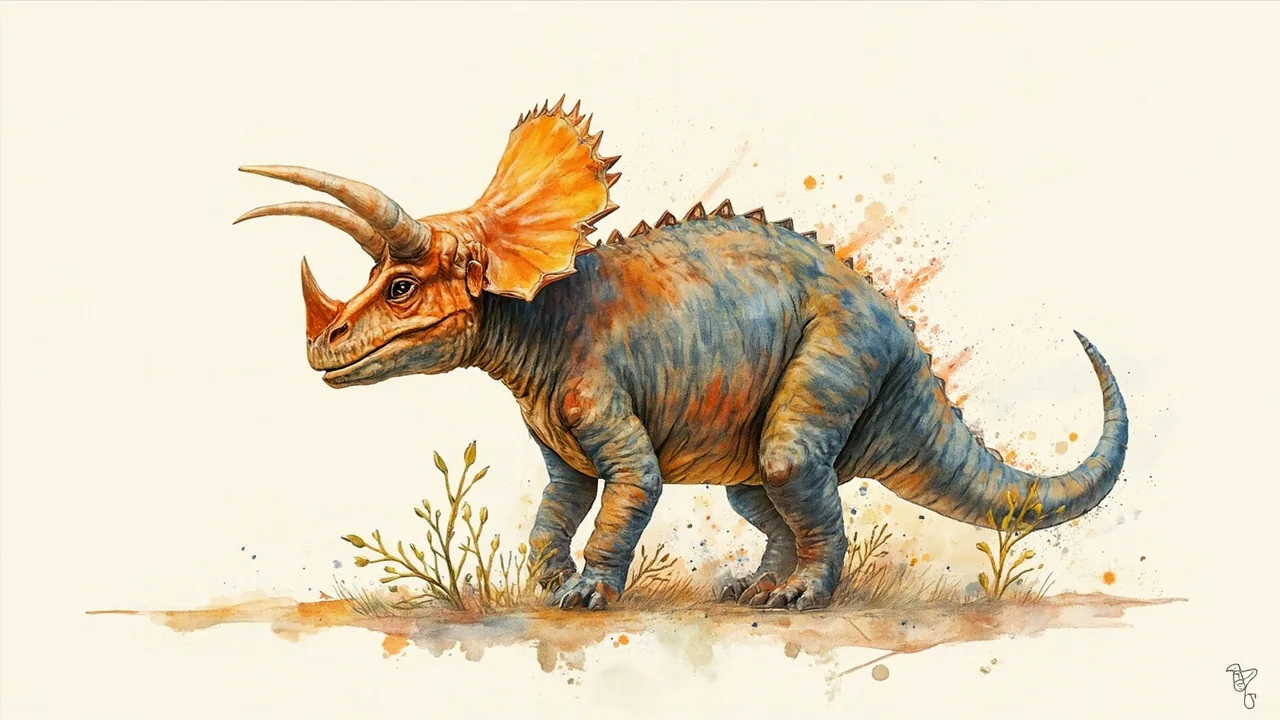
A free Triceratops word search you can play straight in the browser. The 12-word list draws on the habitats, species, and behaviors of an animal group, hidden across a 15×15 grid in every direction. Drag through the letters to mark a word off.
Words to find: TRICERATOPS, FRILL, HORN, SKULL, TEETH, TAIL, LEGS, BEAK, RIBS, PLAINS, FOREST, CRETACEOUS.
Every word on the list appears exactly once. Words can run forwards or backwards, so scan both directions before you move on.
Triceratops word list, defined
General dictionary meanings, not specific to this puzzle's theme.
- TRICERATOPS /traɪˈsɛrətɒps/ (British); /traɪˈsɛrətɑps/ (US) · noun
- A large, herbivorous ceratopsian dinosaur of the Late Cretaceous period, distinguished by a bony neck frill and three horns on its head. Triceratops lived in what is now North America and is among the most recognizable dinosaurs. Related: ceratopsian, horned dinosaur.
- FRILL /frɪl/ · noun (also verb)
- A frill is a gathered or pleated strip of fabric used as decorative trim on clothing or soft furnishings; more broadly, the term refers to any showy or superfluous ornamentation or extra detail that adds style but little practical value. Related: embellishment, trimming, ornament, decoration.
- HORN /hɔːrn/ (US); /hɔːn/ (UK) · noun
- A hard, usually curved projection on the head of certain animals, especially cattle, sheep, goats, and antelope. By extension, the word can refer to a musical instrument, a warning or signaling device, a pointed projection, or the pointed part of an animal’s anatomy. Related: antler, tusk, call, trumpet.
- SKULL /ˈskʌl/ · noun
- The hard, bony structure that surrounds and protects the brain. By extension, it can mean the head or, figuratively, a person's mind or intelligence. Related: cranium, braincase, head, mind.
- TEETH /tiːθ/ · noun
- Teeth is the plural form of tooth, referring to the hard structures in the mouths of humans and other animals used for biting, chewing, and related functions. By extension, it can refer to the pointed projections of combs, saws, gears, and similar objects. Related: dentition, choppers.
- TAIL /teɪl/ · noun and verb
- A tail is the projecting appendage at the rear of many animals. By extension, it means the final part of something, such as a queue, process, or piece of text; as a verb, it means to follow someone closely. Related: rear, rump, posterior, back end.
- LEGS /lɛɡz/ · plural noun
- The lower limbs of the human body, extending from the hips to the feet. The word also refers to the similar supports of furniture, the limbs of an animal, or the separate stages of a race or competition. Related: limbs, lower limbs, supports, pillars.
- BEAK /biːk/ · noun
- The hard, pointed projecting mouth of a bird, consisting of upper and lower jaws covered in keratin, used for eating, grooming, and manipulating objects. Informally, also any similar beak-like structure in other animals such as turtles, squid, or octopuses. Related: bill, neb, muzzle, snout.
- RIBS /rɪbz/ · noun
- The curved bony structures forming the sides of the chest, or a cut of meat from this area. In anatomy, the ribs are long, curved bones that form the sides of the chest. Related: costal cartilages, breastbone, sternum, collarbone.
- PLAINS /pleɪnz/ · noun
- Extensive, level or nearly level open land, especially grassland. “Plains” is also the regular plural of “plain.” Related: prairies, grasslands, steppes, lowlands.
- FOREST /ˈfɒrɪst/ (UK), /ˈfɔːrɪst/ (US) · noun
- A large area of land covered with trees and undergrowth, especially one thick enough to form an ecosystem of its own; also, historically in Britain, land reserved for royal hunting. Related: woods, woodland, timberland, grove.
- CRETACEOUS /krɪˈteɪʃəs/ · adjective
- Relating to or consisting of chalk; in geology, belonging to the Cretaceous Period, the final period of the Mesozoic Era (roughly 145 to 66 million years ago), noted for its chalk deposits and for ending with the mass extinction that eliminated the non-avian dinosaurs. Related: chalky, chalk-like, whitish.
Play the Triceratops word search · Browse every animal group · Today's daily challenge