Rhinoceros Word Search
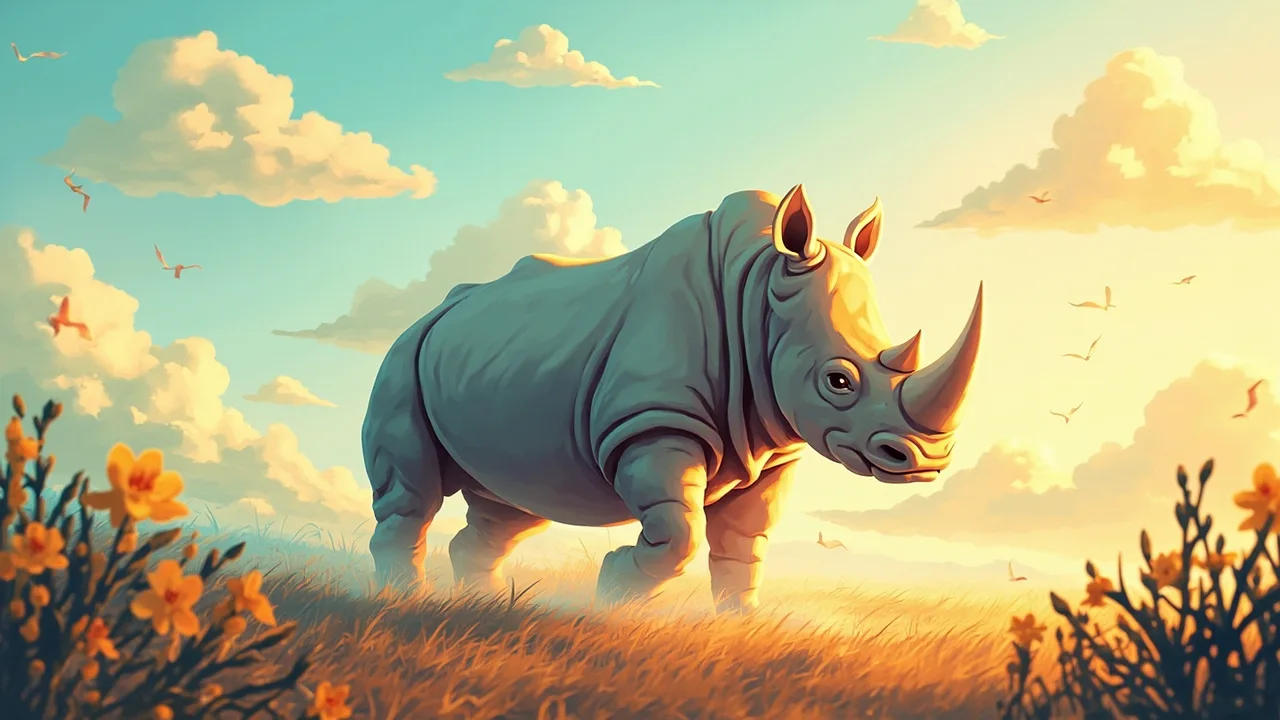
Free Rhinoceros word search. We picked 12 themed words — the habitats, species, and behaviors of an animal group — and laid them out on a 15×15 grid. Drag across the letters to find every word on the list.
Words to find: HORN, HOOVES, SKIN, TAIL, LEGS, SAVANNA, GRASSLAND, RESERVE, HERBIVORE, PLANTS, LEAVES, BROWSE.
The timer only feeds a small speed bonus, so take as long as you need, and spend a hint if a word will not surface.
Rhinoceros word list, defined
General dictionary meanings, not specific to this puzzle's theme.
- HORN /hɔːrn/ (US); /hɔːn/ (UK) · noun
- A hard, usually curved projection on the head of certain animals, especially cattle, sheep, goats, and antelope. By extension, the word can refer to a musical instrument, a warning or signaling device, a pointed projection, or the pointed part of an animal’s anatomy. Related: antler, tusk, call, trumpet.
- HOOVES /huːvz/ · noun
- The plural form of hoof, referring to the terminal growth on the feet of horses and other hoofed animals. It can also refer to the feet of such animals collectively.
- SKIN /skɪn/ · noun
- The thin, flexible tissue covering the outside of the human body. It forms a protective barrier, helps regulate body temperature, and contains sensory receptors. Related: hide, epidermis, complexion, surface.
- TAIL /teɪl/ · noun and verb
- A tail is the projecting appendage at the rear of many animals. By extension, it means the final part of something, such as a queue, process, or piece of text; as a verb, it means to follow someone closely. Related: rear, rump, posterior, back end.
- LEGS /lɛɡz/ · plural noun
- The lower limbs of the human body, extending from the hips to the feet. The word also refers to the similar supports of furniture, the limbs of an animal, or the separate stages of a race or competition. Related: limbs, lower limbs, supports, pillars.
- SAVANNA /səˈvænə/ · noun
- A wide, generally treeless grassland, especially one occurring in tropical or subtropical regions. The term may also denote the biome more broadly, including its grasses, scattered trees, and associated wildlife. Related: grassland, plain, prairie, steppe.
- GRASSLAND /ˈɡrɑːsˌlænd/ (British); /ˈɡræsˌlænd/ (US) · noun
- Land covered chiefly by grasses and other low-growing vegetation. The term may denote a particular tract of grassy country or a grassland biome, such as a prairie or savanna. Related: prairie, meadow, pasture, steppe.
- RESERVE /rɪˈzɜːrv/ (US); /rɪˈzɜːv/ (UK) · noun and verb
- As a noun, a reserve is something kept in reserve for future use, such as money, supplies, or a tract of land. As a verb, to reserve means to keep something for later use or to arrange for it to be held for someone. Related: save, hold, keep, preserve.
- HERBIVORE /ˈhɜːrbɪvɔːr/ · noun
- An animal that feeds principally on plants or other vegetation. Related: plant-eater, grazer, browser, herbivorous animal.
- PLANTS /plɑːnts/ · noun and verb
- As a noun, plants are living organisms of the kingdom Plantae, typically growing from soil or water and having stems, leaves, and roots. As a verb, plants means places a plant in the ground or establishes something, such as a tree, crop, or idea. Related: vegetation, flora, greenery, seedlings.
- LEAVES /liːvz/ · noun (plural); verb (third-person singular present)
- The foliage of trees and other plants, especially when considered collectively. As the third-person singular present of “leave,” it means to depart, abandon, relinquish, or bequeath. Related: foliage, greenery.
- BROWSE /braʊz/ · verb
- To look casually through or over things, such as goods in a shop, pages of a book, or content on the internet, without a specific goal or with only a vague one. As a noun, it denotes such an act of casual looking or grazing. Related: skim, scan, peruse, rummage.
Play the Rhinoceros word search · Browse every animal group · Today's daily challenge