Parasaurolophus Word Search
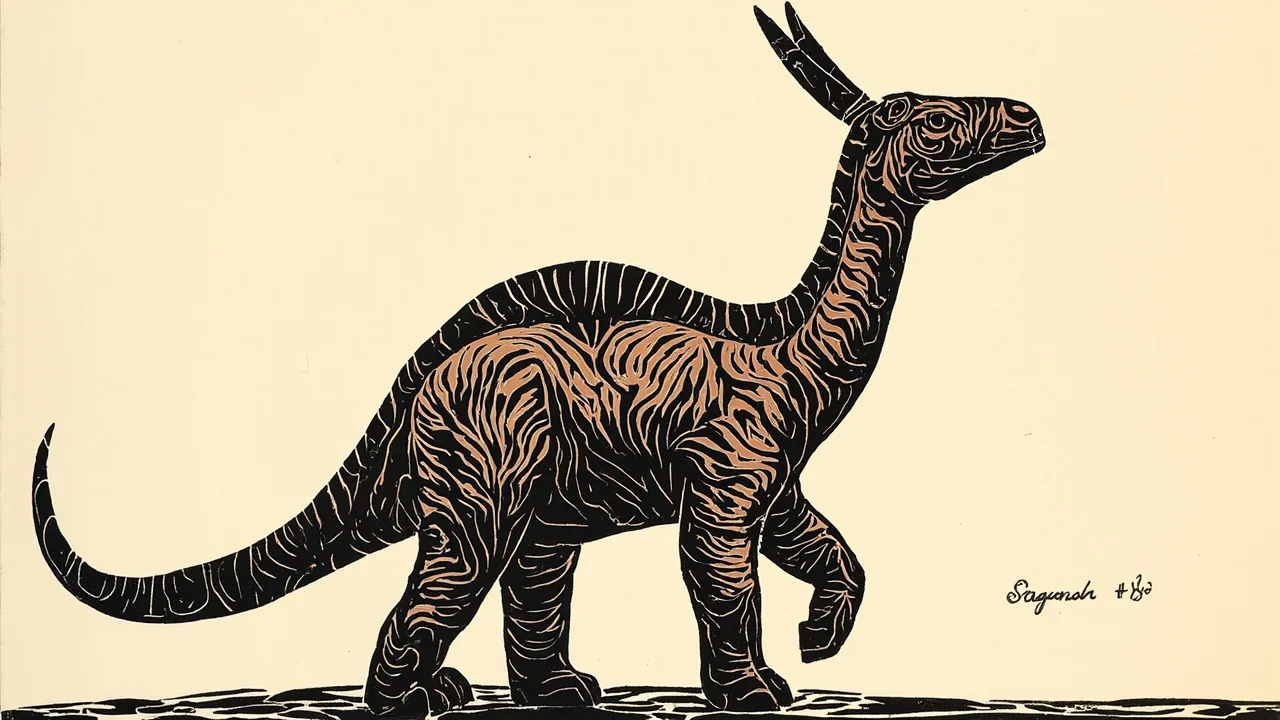
Free Parasaurolophus word search. We picked 12 themed words — the habitats, species, and behaviors of an animal group — and laid them out on a 15×15 grid. Drag across the letters to find every word on the list.
Words to find: CREST, SKULL, SPINE, TAIL, FEMUR, TIBIA, HAND, FOOT, CLAW, BEAK, FOREST, WOODLAND.
Every word on the list appears exactly once. Words can run forwards or backwards, so scan both directions before you move on.
Parasaurolophus word list, defined
General dictionary meanings, not specific to this puzzle's theme.
- CREST /krɛst/ · noun
- The highest part or point of something, such as the top of a hill, wave, or roof; also a distinctive emblem or device displayed on a coat of arms or helmet. Related: peak, summit, apex, top.
- SKULL /ˈskʌl/ · noun
- The hard, bony structure that surrounds and protects the brain. By extension, it can mean the head or, figuratively, a person's mind or intelligence. Related: cranium, braincase, head, mind.
- SPINE /spaɪn/ · noun; verb
- The spine is the flexible column of vertebrae that supports the body, protects the spinal cord, and connects the skull with the pelvis. It can also mean a sharp or rigid projection, a narrow ridge, or the central supporting part of a group, institution, or system. Related: backbone, vertebral column, backbone of an organization, central support.
- TAIL /teɪl/ · noun and verb
- A tail is the projecting appendage at the rear of many animals. By extension, it means the final part of something, such as a queue, process, or piece of text; as a verb, it means to follow someone closely. Related: rear, rump, posterior, back end.
- FEMUR /ˈfiːmər/ · noun
- The femur is the bone of the thigh, extending from the hip to the knee; it is the longest, strongest, and heaviest bone in the human body. In entomology, it also denotes the third segment of an insect's leg. Related: thigh bone.
- TIBIA /ˈtɪbiə/ · noun
- The tibia is the larger and weight-bearing bone of the lower leg, situated between the knee and the ankle. The word can also denote an ancient Roman wind instrument, a type of pipe. Related: shin bone, shinbone, reed pipe.
- HAND /hænd/ · noun; verb
- The end part of the upper limb, extending from the wrist to the fingertips, used for holding, touching, and manipulating objects. As a verb, it means to give or pass something to someone, or to help or assist them. Related: assist, aid, help, give.
- FOOT /fʊt/ · noun, verb
- The lower extremity of the leg below the ankle, on which a person stands or walks; also a unit of length equal to twelve inches (0.3048 metres). Related: hoof, paw.
- CLAW /klɔː/ · noun, verb
- A claw is a curved, pointed nail on the toe of an animal such as a cat, bird, or crab, used for gripping, climbing, or tearing. As a verb, it means to scratch or tear at something with claws or fingernails. Related: talon, nail, unguis, pincer.
- BEAK /biːk/ · noun
- The hard, pointed projecting mouth of a bird, consisting of upper and lower jaws covered in keratin, used for eating, grooming, and manipulating objects. Informally, also any similar beak-like structure in other animals such as turtles, squid, or octopuses. Related: bill, neb, muzzle, snout.
- FOREST /ˈfɒrɪst/ (UK), /ˈfɔːrɪst/ (US) · noun
- A large area of land covered with trees and undergrowth, especially one thick enough to form an ecosystem of its own; also, historically in Britain, land reserved for royal hunting. Related: woods, woodland, timberland, grove.
- WOODLAND /ˈwʊdlənd/ · noun; also adjective
- Land covered with trees, especially a relatively natural area of woodland. As an adjective, it means relating to or consisting of woodland. Related: forest, woods, wooded land, woodland area.
Play the Parasaurolophus word search · Browse every animal group · Today's daily challenge