Pachycephalosaurus Word Search
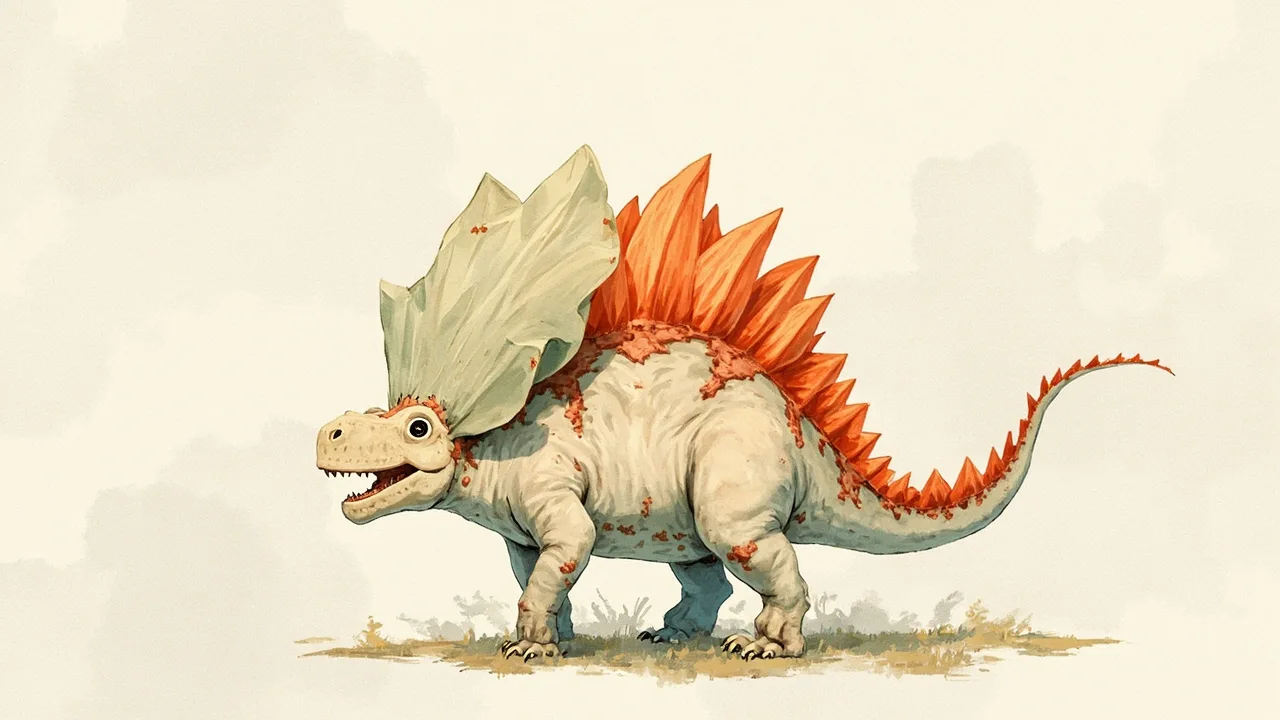
Pachycephalosaurus, as a word search. 12 words drawn from the habitats, species, and behaviors of an animal group sit hidden in a 15×15 letter grid, running in every direction. Drag across a word to claim it, and clear the board to finish.
Words to find: SKULL, DOME, HEAD, BRAIN, TEETH, MANDIBLE, HUMERUS, FEMUR, TIBIA, CRETACEOUS, MONTANA, WYOMING.
Every word on the list appears exactly once. Words can run forwards or backwards, so scan both directions before you move on.
Pachycephalosaurus word list, defined
General dictionary meanings, not specific to this puzzle's theme.
- SKULL /ˈskʌl/ · noun
- The hard, bony structure that surrounds and protects the brain. By extension, it can mean the head or, figuratively, a person's mind or intelligence. Related: cranium, braincase, head, mind.
- DOME /doʊm/ · noun
- A rounded roof or ceiling with a roughly hemispherical shape, especially one crowning a building or room; by extension, any object or structure shaped like such a vault. Related: vault, cupola, rotunda, arch.
- HEAD /hɛd/ · noun, verb, adjective, adverb
- The head is the upper part of the human body, containing the brain, eyes, ears, and nose. By extension, it means the top, front, or leading part of something, as well as a person in charge or the mind and intellect. Related: chief, leader, top, front.
- BRAIN /breɪn/ · noun (also verb)
- The organ of soft nervous tissue contained in the skull of vertebrates, functioning as the coordinating center of sensation and intellectual and nervous activity. Informally, it also refers to a person's intellectual capacity or a very intelligent person. Related: mind, intellect, cerebrum, grey matter.
- TEETH /tiːθ/ · noun
- Teeth is the plural form of tooth, referring to the hard structures in the mouths of humans and other animals used for biting, chewing, and related functions. By extension, it can refer to the pointed projections of combs, saws, gears, and similar objects. Related: dentition, choppers.
- MANDIBLE /ˈmændɪbəl/ · noun
- The lower jawbone of a vertebrate, forming the lower part of the skull and moving against the upper jaw. In arthropods, a mandible is one of the paired appendages used to grasp and manipulate food. Related: jawbone, lower jaw, lower jawbone.
- HUMERUS /ˈhjuːmərəs/ · noun
- The humerus is the long bone of the upper arm, extending from the shoulder to the elbow. It forms the upper part of the elbow joint and provides attachment for several muscles of the shoulder, arm, and forearm. Related: upper-arm bone, arm bone.
- FEMUR /ˈfiːmər/ · noun
- The femur is the bone of the thigh, extending from the hip to the knee; it is the longest, strongest, and heaviest bone in the human body. In entomology, it also denotes the third segment of an insect's leg. Related: thigh bone.
- TIBIA /ˈtɪbiə/ · noun
- The tibia is the larger and weight-bearing bone of the lower leg, situated between the knee and the ankle. The word can also denote an ancient Roman wind instrument, a type of pipe. Related: shin bone, shinbone, reed pipe.
- CRETACEOUS /krɪˈteɪʃəs/ · adjective
- Relating to or consisting of chalk; in geology, belonging to the Cretaceous Period, the final period of the Mesozoic Era (roughly 145 to 66 million years ago), noted for its chalk deposits and for ending with the mass extinction that eliminated the non-avian dinosaurs. Related: chalky, chalk-like, whitish.
Play the Pachycephalosaurus word search · Browse every animal group · Today's daily challenge