Donkey Word Search
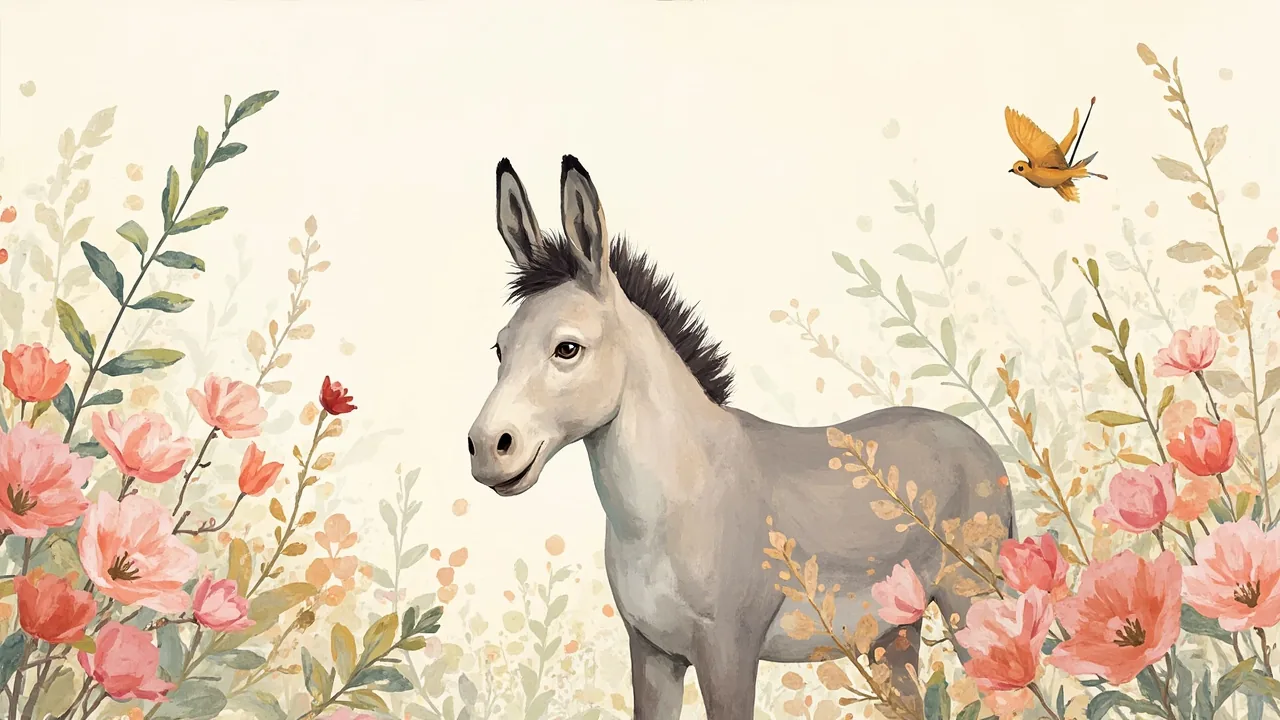
Free Donkey word search. We picked 12 themed words — the habitats, species, and behaviors of an animal group — and laid them out on a 15×15 grid. Drag across the letters to find every word on the list.
Words to find: HOOF, EARS, TAIL, MANE, LEGS, NOSE, MOUTH, STABLE, FIELD, PASTURE, DESERT, GRASS.
Found words stay highlighted, so the grid gets easier to read as you go and the final few tend to fall quickly.
Donkey word list, defined
General dictionary meanings, not specific to this puzzle's theme.
- HOOF /huːf/ · noun
- The hard, usually keratinous part of the foot of a horse or other hoofed mammal, ending in a claw or divided into toes. By extension, it can mean the whole foot of such an animal. Related: horse's hoof, animal foot, cloven hoof, hoofprint.
- EARS /ɪərz/ (British), /ɪrz/ (US) · noun
- Ears is the plural of 'ear', referring either to the organ of hearing on each side of the head, or to the seed-bearing head of a cereal plant such as wheat, barley, or corn. Related: auricles, organs of hearing, spikes, heads.
- TAIL /teɪl/ · noun and verb
- A tail is the projecting appendage at the rear of many animals. By extension, it means the final part of something, such as a queue, process, or piece of text; as a verb, it means to follow someone closely. Related: rear, rump, posterior, back end.
- MANE /meɪn/ · noun
- The long hair growing on the back of a horse's neck or the neck of certain animals, especially lions and tigers. Figuratively, it can refer to a person's thick or flowing hair. Related: locks, tresses, hair.
- LEGS /lɛɡz/ · plural noun
- The lower limbs of the human body, extending from the hips to the feet. The word also refers to the similar supports of furniture, the limbs of an animal, or the separate stages of a race or competition. Related: limbs, lower limbs, supports, pillars.
- NOSE /noʊz/ · noun
- The projecting facial feature above the mouth, used for smelling and breathing. By extension, it can refer to the tip of a person’s face or the front end of an object. Related: nostril, snout, muzzle, proboscis.
- MOUTH /maʊθ/ · noun, verb
- The opening in a person’s or animal’s face through which food and sound pass. As a verb, it means to speak or form words in an exaggerated or distorted way. Related: opening, aperture, entrance, lips.
- STABLE /ˈsteɪbəl/ · adjective
- Steady and unlikely to change, move, or fluctuate; firm, consistent, or dependable. Related: steady, secure, consistent, reliable.
- FIELD /fiːld/ · noun (also verb)
- An area of open land, especially one used for growing crops or grazing animals; more broadly, a sphere of activity, interest, or study, and in physics a region of space in which a particular force is exerted. Related: meadow, pasture, paddock, domain.
- PASTURE /ˈpɑːstʃər/ (US); /ˈpɑːstʃə/ (UK) · noun and verb
- As a noun, pasture means land where livestock graze, or the grass used as food for grazing animals. As a verb, it means to put livestock on land to graze, or to graze on such land. Related: pastureland, grazing land, meadow, grassland.
- DESERT /ˈdɛzət/ (noun: arid land); /dɪˈzɜːrt/ (verb) · noun, verb
- A large, dry, barren area of land with little rainfall and sparse vegetation. As a verb, to desert means to abandon someone or something, especially in a way considered wrong or a betrayal of duty. Related: wasteland, wilderness, barrens, badlands.
- GRASS British /ɡrɑːs/; US /ɡræs/ · noun and verb
- Grass is a member of the grass family, or collectively the vegetation made up of grasses and their leaves and shoots. It can also refer to a lawn or pasture, to marijuana, or, in British informal use, to an informer; as a verb, it means to inform on someone or to cover an area with grass. Related: vegetation, greenery, turf, herbage.
Play the Donkey word search · Browse every animal group · Today's daily challenge