The Lungs Word Search
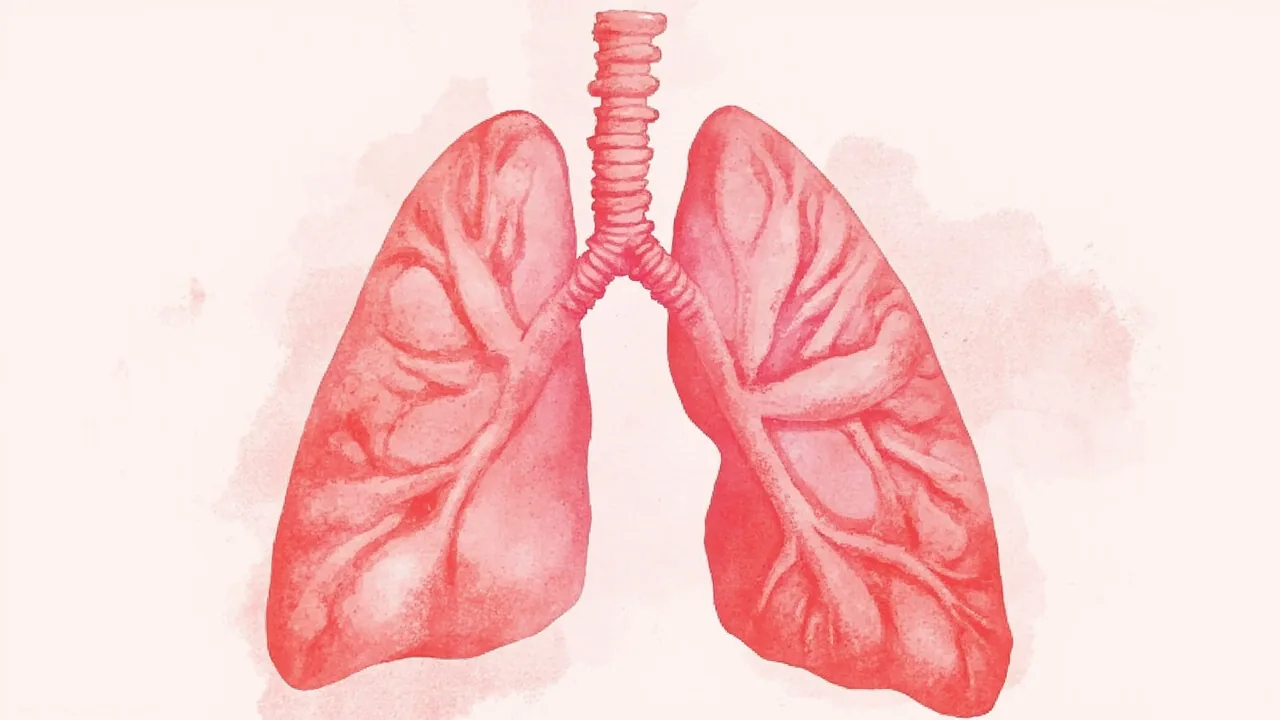
Play a The Lungs word search free online. We built the 12-word list around the parts and systems of the human body, then scattered it across a 15×15 grid — horizontal, vertical and diagonal. Find them all to clear the board.
Words to find: ALVEOLI, BRONCHIOLE, CAPILLARY, CILIA, DIAPHRAGM, EPIGLOTTIS, EXPIRATION, INSPIRATION, LARYNX, LOBULE, MUCUS, OXYGEN.
Diagonals are where most players stall. Once you are down to the last word or two, sweep the diagonals deliberately.
The Lungs word list, defined
- ALVEOLI /ælˈviːəlaɪ/ · noun
- The plural of alveolus; in anatomy, the tiny air sacs at the ends of the bronchioles in the lungs where gas exchange between air and blood takes place. The term is also used in dentistry for the bony sockets in the jaw that anchor the teeth. Related: air sacs, pulmonary alveoli.
- BRONCHIOLE /ˈbrɒŋ.ki.oʊl/ · noun
- Any of the many fine branching air passages in the lungs that lead from the bronchi into the pulmonary lobules and ultimately to the alveoli, where gas exchange occurs. Related: airway, air passage, bronchiolar branch.
- CAPILLARY /ˈkæpəˌlɛri/ · noun, adjective
- As a noun, a capillary is any of the tiny, thin-walled blood vessels that form a network between the arterioles and venules, through which oxygen, nutrients, and waste are exchanged with body tissues. As an adjective, it describes something relating to or resembling such fine vessels, or having the properties of capillarity — the movement of liquid through very narrow spaces. Related: capillary vessel, hairline vessel, microvessel, blood vessel.
- CILIA /ˈsɪliə/ · noun
- Cilia are the tiny, hairlike projections that line the surfaces of certain cells in the body — most famously in the respiratory tract, where they sweep mucus and debris away from the lungs — as well as the short hairs of the eyelids; in many organisms they also serve to propel movement. Related: eyelashes, hairs.
- DIAPHRAGM /ˈdaɪ.ə.fræm/ · noun
- A dome-shaped sheet of muscle separating the chest cavity from the abdominal cavity, whose contraction draws air into the lungs during breathing; also, a thin dividing membrane or partition, or a device such as a contraceptive cap or the vibrating plate in a microphone. Related: partition, membrane, divider, septum.
- EPIGLOTTIS /ˌɛpɪˈɡlɒtɪs/ · noun
- A thin, leaf-shaped flap of cartilage located behind the tongue at the entrance to the larynx, which folds down over the windpipe during swallowing to prevent food and liquid from entering the airway.
- EXPIRATION /ˌɛkspɪˈreɪˈʃən/ · noun
- The act or process of coming to an end, especially of a fixed period of time such as that covered by a contract, license, or warranty; also the act of breathing out air from the lungs. Related: termination, expiry, cessation, conclusion.
- INSPIRATION /ˌɪnspəˈreɪʃən/ · noun
- A creative impulse or idea that leads someone to create, think, or act in a particular way. It can also refer to a person, place, or event that motivates or encourages others. Related: motivation, impetus, spark, stimulus.
- LARYNX /ˈlærɪŋks/ · noun
- The larynx is the anatomical structure in the neck that forms the upper part of the airway and contains the vocal folds, which produce the voice. In humans, it is commonly called the voice box. Related: voice box, upper windpipe.
- LOBULE /ˈlɒbjuːl/ (British); /ˈloʊbjuːl/ (US) · noun
- A small lobe or a subdivision of a lobe, especially in anatomy. The term is used for structures such as the small divisions of the liver, lungs, glands, and spleen. Related: small lobe, subdivision, part, division.
- MUCUS /ˈmjuːkəs/ · noun
- A thick, slippery, gel-like secretion produced by the body, especially in the nose and respiratory tract. The term also refers to the slimy material secreted by snails and other molluscs. Related: slime, mucilage, secretion, phlegm.
- OXYGEN /ˈɒksɪdən/ (British), /ˈɑːksɪdən/ (American) · noun
- Oxygen is the chemical element with the symbol O, occurring as a colorless, odorless gas essential to respiration and combustion. In medicine, the word can also refer to supplemental oxygen administered to a patient.
Play the The Lungs word search · Browse every anatomy entry · Today's daily challenge