Mythology 3 Word Search
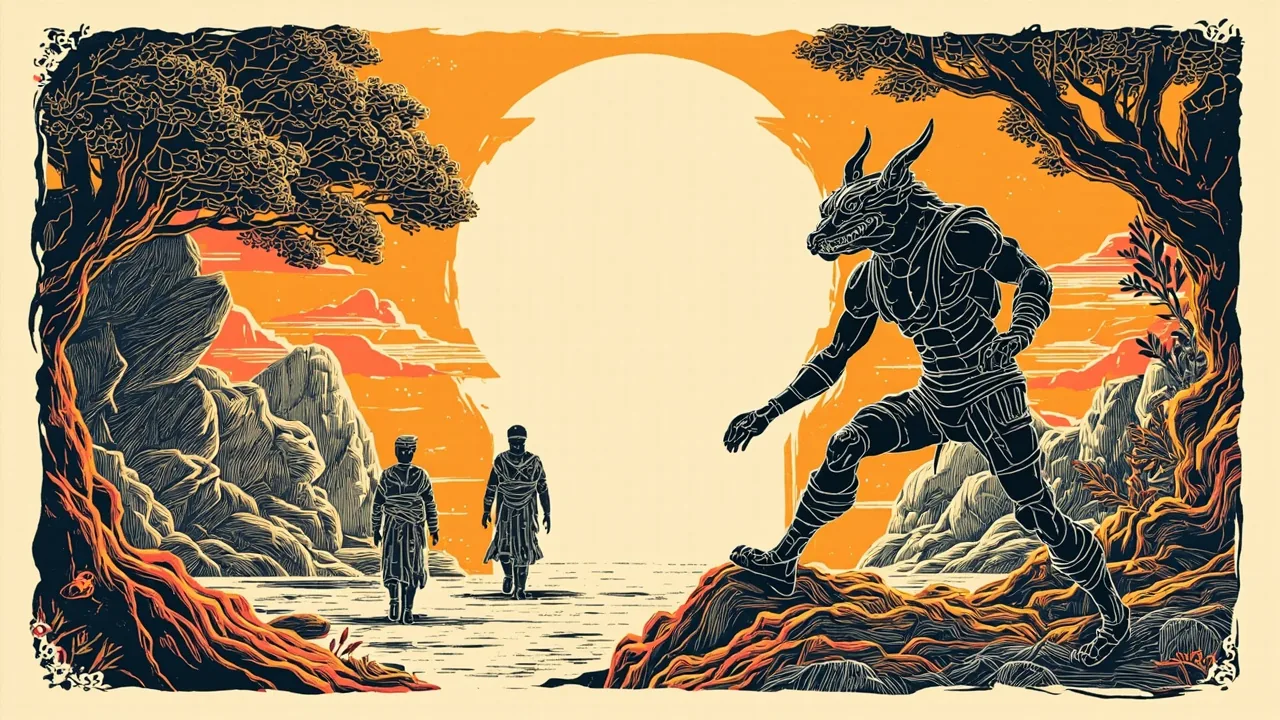
Play free online Mythology 3 word search puzzles in your browser. Find hidden words themed around Mythology 3 — no download or signup required. Choose Quick, Easy, Medium, or Hard difficulty and track stars as you clear each pack.
This theme includes about 20 puzzles across difficulty levels.
Difficulty packs: Quick: 5 · Easy: 5 · Tough: 5 · Champ: 5.
Sample words: PIEND, SEMEE, SPARED, DAWED, FILTERED, ORFES, INRUSH, REDDEN, HEAVEN, AMOR, HYDRA, SIN, LYRE, CHAOS, GOD, MAGIC.
Mythology 3 word list, defined
- PIEND /piːnd/ in Scots; /paɪnd/ in its archaic English form · verb
- In Scots and archaic English, to pine: to languish from longing, yearn for someone or something, or grieve. It can also convey wasting away from longing or hardship. Related: pine, yearn, long, ache.
- SEMEE /səˈmeɪ/ · noun
- In heraldry, a semee is a field or pattern covered with small charges or motifs, such as stars, crosses, or fleurs-de-lis. The term is chiefly used to describe the repeated arrangement itself. Related: semé, powdering, sprinkling, strewing.
- SPARED /spɛəd/ (British); /spɛrd/ (US) · adjective & verb
- Spared means saved from something unwanted, exempted from an obligation or difficulty, or left unused and undamaged. As the past tense and past participle of spare, it can also mean given up or withheld. Related: saved, exempted, excused, forgone.
- DAWED /dɔːd/ · verb
- "Dawed" is the past-tense form of "daw," a chiefly Scottish and Northern English dialectal verb meaning that day began to break or morning arrived. Related: dawned, day broke.
- FILTERED /ˈfɪltərd/ · verb (past tense and past participle of filter); adjective
- Past tense and past participle of the verb "filter": to have passed something through a device or substance that removes unwanted elements, or to have gradually moved or been sorted through a passage, group, or medium. As an adjective, it describes something that has undergone such a process. Related: strained, sieved, sifted, screened.
- INRUSH /ˈɪn.rʌʃ/ · noun
- A sudden or rapid movement inward, especially of electrical current into a circuit or device. More generally, it refers to a sudden influx of people, money, water, or another substance. Related: inflow, influx, surge.
- REDDEN /ˈrɛdən/ · verb
- To become red or make something red. It is often used of a person's face, skin, or another surface changing color because of heat, emotion, light, or another cause. Related: flush, blush, tinge, color.
- HEAVEN /ˈhɛvən/ · noun; interjection
- In religious belief, the realm of God and the perfected dead; by extension, the sky or a state of supreme happiness. It is also used in exclamations such as “Good heavens!” Related: paradise, afterlife, bliss, empyrean.
- HYDRA /ˈhaɪdrə/ · noun
- In Greek mythology, a water serpent with multiple heads, whose severed heads regrew. By extension, a hydra can mean a person, creature, or problem that seems to produce further difficulties whenever one is overcome. Related: many-headed creature, monster, serpent, problem.
- SIN /sɪn/ · noun and verb
- As a noun, sin means an act or state of wrongdoing that is considered morally wrong, especially when judged according to religious or ethical standards. As a verb, it means to commit such an act or to violate divine or moral law. Related: wrongdoing, transgression, vice, evil.
- LYRE /ˈlaɪər/ · noun
- An ancient stringed instrument with a hollow, U-shaped soundbox and two curved arms connected by a crossbar, across which the strings were stretched. The lyre was especially associated with ancient Greece and was commonly used in poetry, music, and ceremonial contexts. Related: harp, kithara.
- CHAOS /ˈkeɪɒs/ · noun
- Complete disorder and confusion; a state of things in which behaviour or events are unpredictable and uncontrolled. In its oldest sense, it denotes the formless, disordered matter supposed to have existed before the universe was created. Related: disorder, confusion, mayhem, turmoil.
- GOD /ɡɒd/ (British); /ɡɑːd/ (US) · noun; verb
- A god is a deity or other supernatural being, especially one worshipped or regarded as supreme. The word can also refer to a person or thing treated as godlike. Related: deity, divinity, divine being, supreme being.
- MAGIC /ˈmædʒɪk/ · noun, adjective, verb
- Magic refers to practices or powers believed to produce extraordinary effects, especially through spells or ritual. By extension, it can name the mysterious quality of a person, place, experience, or work. Related: witchcraft, sorcery, wizardry, enchantment.
Play a free Mythology 3 puzzle
Open Mythology 3 theme · All themes · Daily challenge · How to play