Shark Word Search
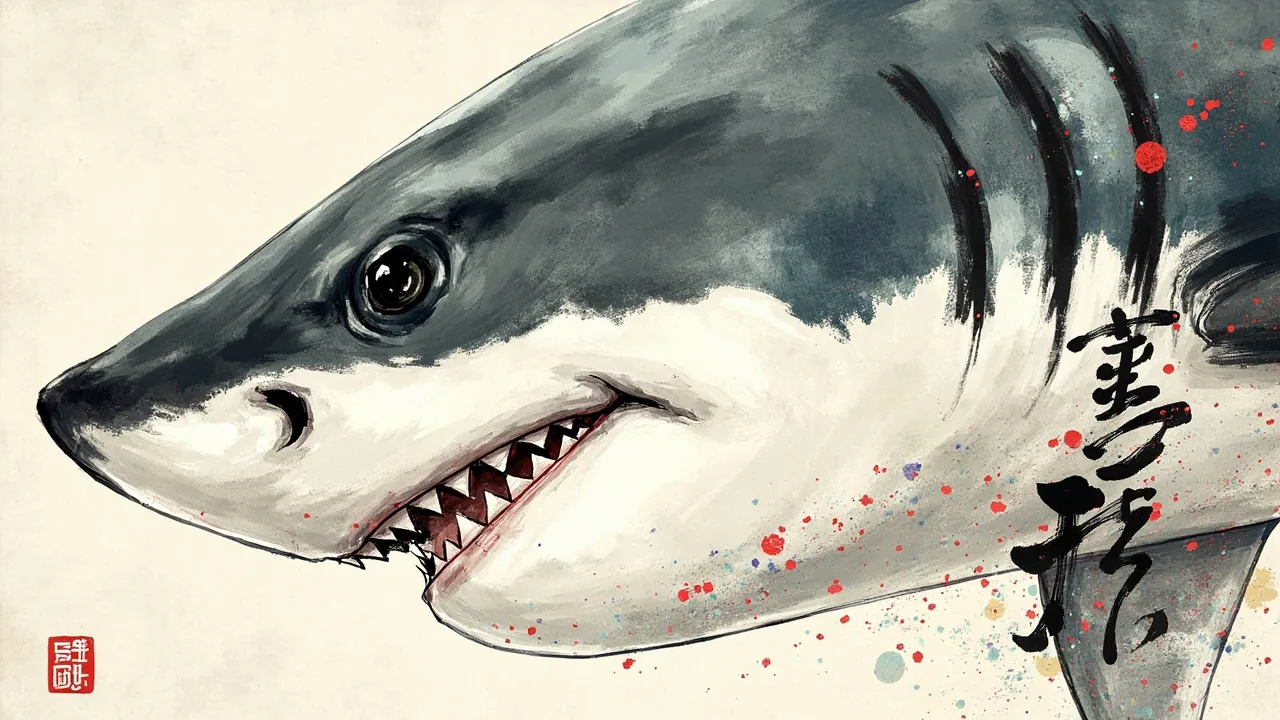
Play free online Shark word search puzzles in your browser. Find hidden words themed around Shark — no download or signup required. Choose Quick, Easy, Medium, or Hard difficulty and track stars as you clear each pack.
This theme includes about 20 puzzles across difficulty levels.
Difficulty packs: Quick: 5 · Easy: 5 · Tough: 5 · Champ: 5.
Sample words: TOWNY, KENTS, GRIOT, RIFLE, MAIKO, STRAY, DEBTED, AGREED, SPINY, DAMAGE, DWARF, DEPTHS, PLANTS, PROTECT, SPECIES, CLADE.
Shark word list, defined
- TOWNY /ˈtaʊni/ · adjective; noun
- Of or characteristic of a town or town life, especially in contrast with the countryside. As a noun, a towny is a person who lives in a town or city rather than in the countryside. Related: urban, townish, municipal.
- GRIOT /ˈɡriːoʊ/ · noun
- A griot is a West African oral historian, poet, and performer who preserves genealogies, histories, and praise traditions through speech, music, or recitation. In some societies, the role is hereditary and associated with a specialist family or caste. Related: storyteller, oral historian, oral poet, bard.
- RIFLE /ˈraɪfəl/ · noun
- A long-barrelled firearm designed to be fired from the shoulder, typically with rifling cut into the barrel to spin the projectile. The term can also refer broadly to a firearm of this kind, as distinct from a handgun or shotgun. Related: firearm, long gun, musket, carbine.
- MAIKO /ˈmaɪkoʊ/ · noun
- A maiko is a female apprentice geisha in Kyoto who trains in traditional Japanese dance and performs at banquets and entertainment venues. The term can also denote a juvenile red sea bream. Related: apprentice geisha, geiko apprentice, young geisha.
- STRAY /streɪ/ · adjective, verb, noun
- Adjective: Having wandered away from one’s intended course, owner, or group; lost or uncontrolled. Verb: To wander away from the proper course or leave one’s group without permission. Noun: A person or animal that has wandered away or is lost. Related: wandering, wayward, adrift, lost.
- DEBTED /ˈdɛbtɪd/ · adjective
- Owing money, gratitude, or some other obligation to someone; indebted. Related: indebted, obliged, beholden, bound.
- AGREED /əˈɡriːd/ · verb (past tense and past participle of agree); also adjective
- The past tense and past participle of "agree," meaning to have consented to or reached a mutual understanding about something. As an adjective, it describes something that has been settled or accepted by all parties involved. Related: concurred, assented, consented, acceded.
- SPINY /ˈspaɪni/ · adjective
- Covered with or having spines, sharp points, or prickles. It can also describe something that is difficult, thorny, or full of complications. Related: thorny, prickly, bristly, spiked.
- DAMAGE /ˈdæmɪdʒ/ · noun, verb
- Physical harm that impairs the value, usefulness, or normal function of something; as a verb, to cause such harm. Related: harm, injury, impairment, destruction.
- DWARF /dwɔːrf/ · noun
- A person of unusually small stature, especially one affected by a genetic or medical condition resulting in short height with disproportionate features; more broadly, a mythological being depicted as a small, bearded human skilled at mining and metalwork.
- DEPTHS /dɛpθs/ · noun
- The plural of 'depth': the distance from the top or surface down to the bottom, or the deepest or most intense parts of something, whether physical, emotional, or intellectual. Related: bottoms, abyss, fathoms, recesses.
- PLANTS /plɑːnts/ · noun and verb
- As a noun, plants are living organisms of the kingdom Plantae, typically growing from soil or water and having stems, leaves, and roots. As a verb, plants means places a plant in the ground or establishes something, such as a tree, crop, or idea. Related: vegetation, flora, greenery, seedlings.
- PROTECT /prəˈtɛkt/ · verb
- To shield a person, thing, place, or principle from harm, danger, damage, or loss. It can also mean to safeguard rights, privacy, resources, or the environment. Related: defend, safeguard, shield, preserve.
- SPECIES /ˈspiːʃiːz/ · noun
- A species is a group of living organisms regarded as capable of interbreeding and producing fertile offspring, and considered distinct from other such groups. In general use, it can mean a particular kind or type of thing. Related: kind, type, sort, variety.
- CLADE /kleɪd/ · noun
- A group of organisms descended from a single common ancestor, including all of that ancestor's descendants; a monophyletic branch on a tree of evolutionary relationships. Related: branch, lineage, monophyletic group, family.
Open Shark theme · All themes · Daily challenge · How to play